Can Car Window Tint Reduce Glare From Headlights at Night?
Night driving feels different today than it did years ago. Modern LED and HID headlights are whiter, more intense, and often aimed higher than older halogen bulbs, so oncoming traffic can feel blinding even on familiar roads. For many drivers in Columbia, TN and surrounding areas, headlight glare is more than an annoyance. It can cause eye strain, make it harder to see lane markings, and increase the time it takes to react to pedestrians, animals, and sudden stops. That is why more people are searching for ways to reduce headlight glare at night and asking whether professional window tint could help. The idea makes sense. Quality automotive tint can reduce harsh brightness and improve visual comfort. The key is doing it in a way that does not reduce visibility or create legal problems. In this guide, Wells Window Tint explains how glare works, what tint can and cannot do, which film technologies perform best, and how
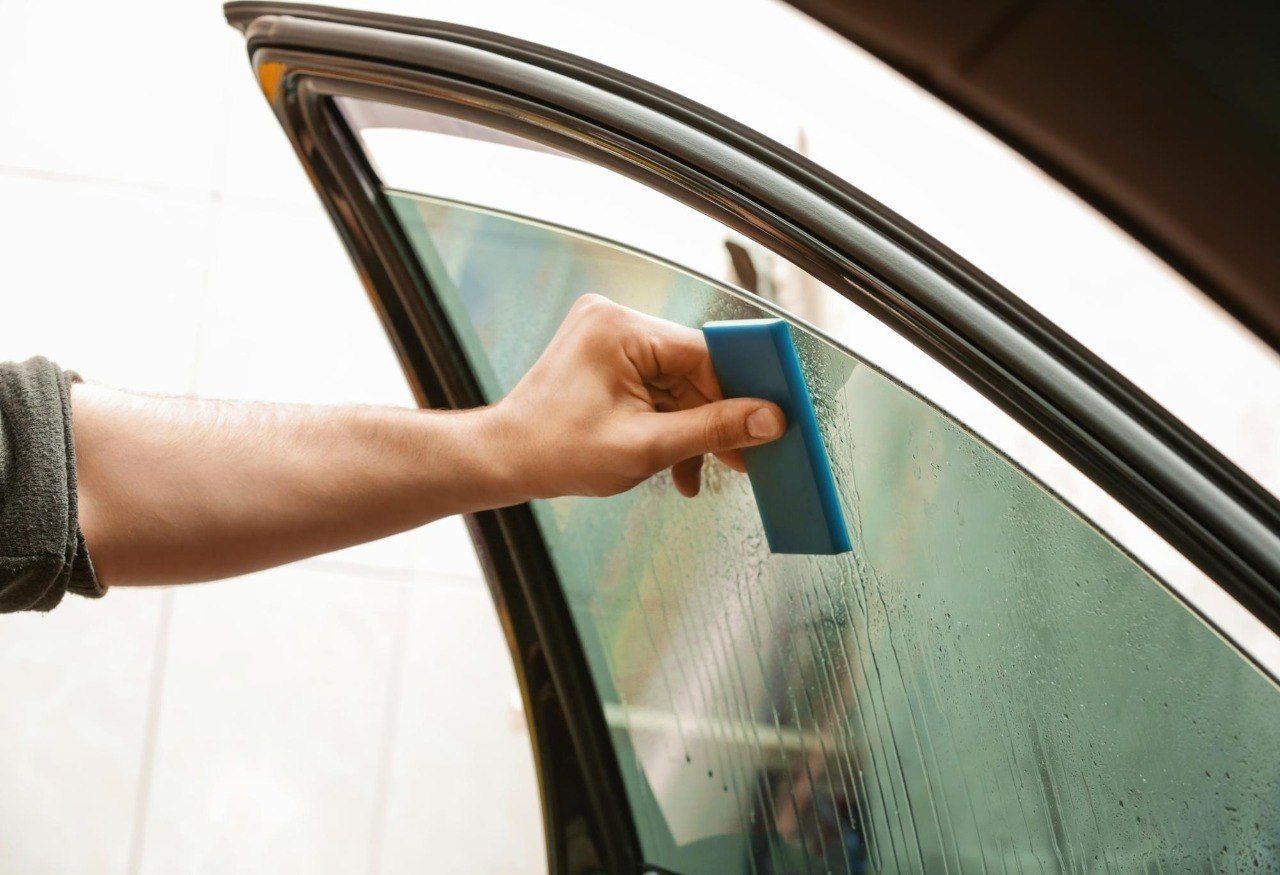
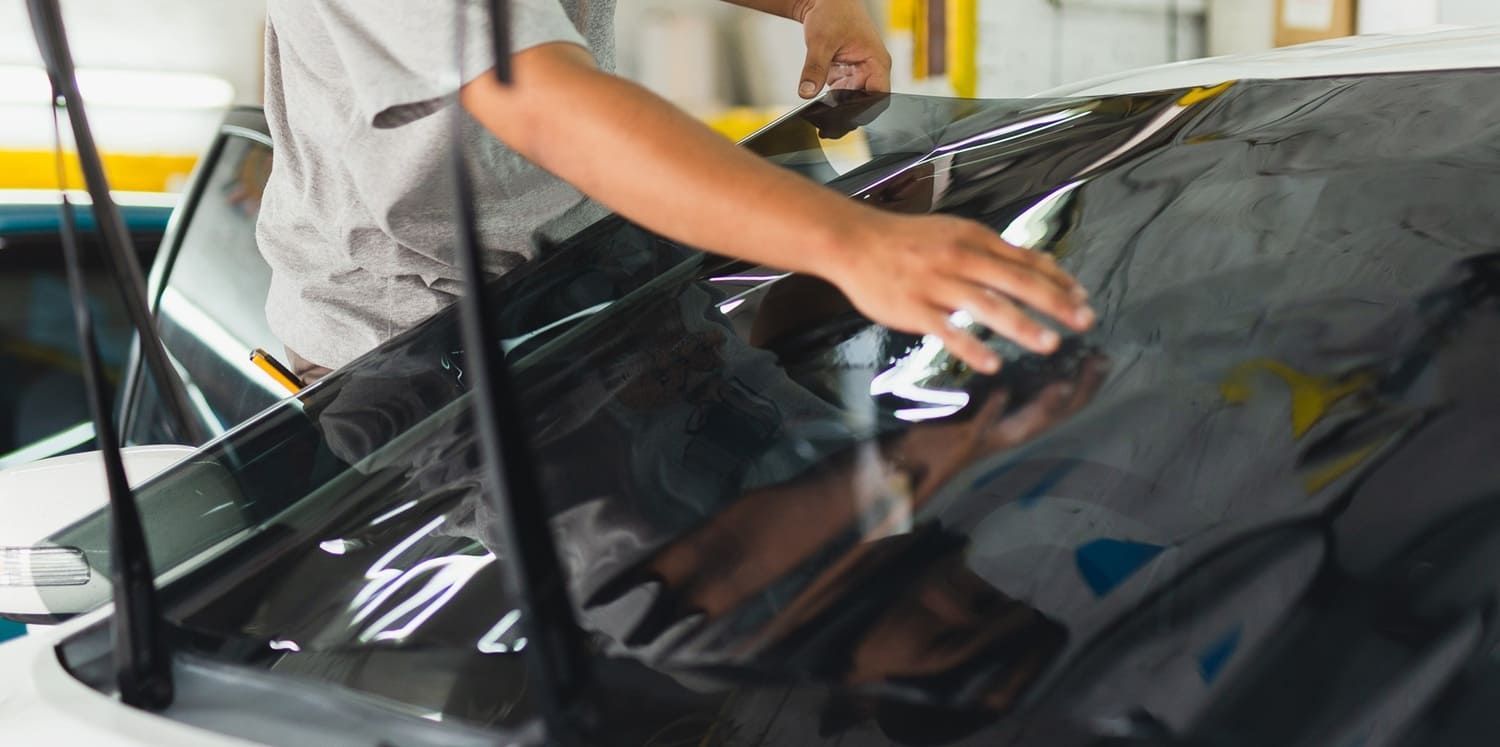
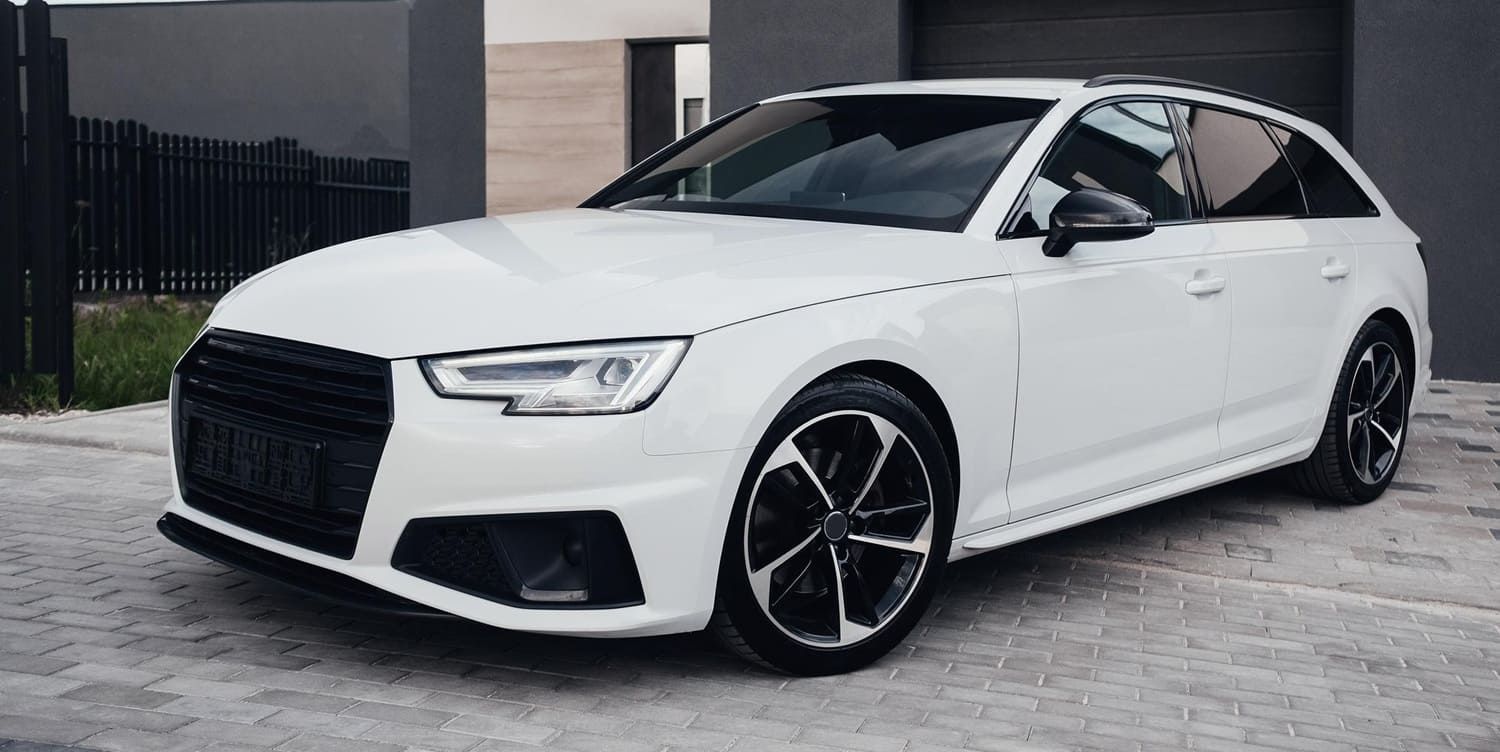
LLumar window tint options can improve night driving comfort while maintaining excellent clarity.
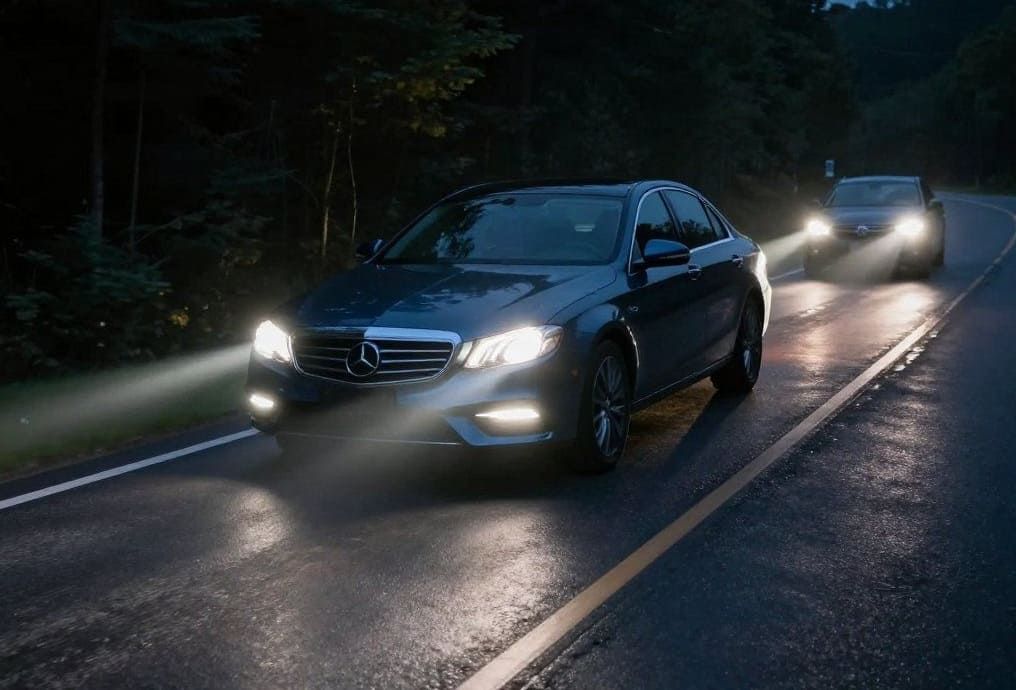
Table of Contents
1. Why Headlight Glare Has Increased in Recent Years
2. How Glare Affects Safety and Driver Fatigue
3. How Window Tint Reduces Glare and Stays Clear
4. Dyed vs Carbon vs Ceramic Tint for Glare Control
5. Tennessee Window Tint Laws and Night Driving
6. Windshield Tint and Strip Options for Glare
7. Why Professional Installation Matters
8. Shade and Performance Comparison Table
1. Why Headlight Glare Has Increased in Recent Years
If you feel like headlight glare is worse than it used to be, you are not imagining it. Several trends have made night glare more noticeable for Tennessee drivers.
LED and HID color temperature: Many modern headlights produce a cooler, whiter light. That higher color temperature can feel harsher to the human eye, especially in dark conditions where pupils are dilated.
Higher brightness output: Newer headlight systems are simply brighter. Some vehicles have powerful projectors, and aftermarket bulb upgrades can increase glare even further when installed incorrectly.
Headlight aim and vehicle height: Headlights that are misaligned or vehicles that sit higher, such as trucks and SUVs, can shine directly into the eyes of drivers in lower vehicles.
Dirty or hazy windshields: Even a clean looking windshield can have a film of residue that scatters light. Micro scratches and pitting from road debris can also create a starburst effect around headlights.
More night driving and more traffic: Growth in traffic volume and extended commuting patterns mean more drivers are exposed to glare on the road.
Because these factors are common in Columbia and nearby highways, drivers often look for glare reduction car tint as a way to improve comfort without changing their driving habits.
2. How Glare Affects Safety and Driver Fatigue
Glare is not just uncomfortable. It can impact safety by reducing contrast and delaying your ability to identify hazards. When a bright headlight hits your eyes, your visual system needs time to recover, even if only for a fraction of a second.
Common effects include:
- Reduced contrast: Lane markings, pedestrians, and animals can blend into dark backgrounds.
- Delayed reaction time: Your eyes need time to adapt after exposure to bright lights.
- Eye strain and headaches: Squinting and focusing through glare can cause fatigue.
- Increased stress: Drivers may tense up, grip the wheel harder, or avoid certain routes.
For many people, the goal is not to make the road darker. It is to reduce the harshness so the eyes stay relaxed and alert. That is where night driving window tint can play a role, especially when combined with clean glass and a legal shade strategy.
3. How Window Tint Reduces Glare and Stays Clear
Window tint reduces glare by limiting the amount of visible light transmitted through your windows. This can soften the intensity of headlights and reduce the contrast spike that causes discomfort. The best films are designed to do this while maintaining optical clarity.
Key points to understand:
- Side windows matter most: Oncoming headlights often hit the driver side window and mirrors. Tint can reduce intensity at those angles.
- Rear glass helps too: Headlights from vehicles behind you can reflect into mirrors and into the cabin. Tint on rear glass can reduce that brightness.
- Shade selection is a balance: Darker shades reduce more visible light, but can also reduce night visibility. Technology and legal limits matter.
- Clarity depends on film quality: Lower quality films can create haze, which can make night glare feel worse.
Premium films are engineered for clean visibility.
LLumar window tint options installed by Wells Window Tint are designed to reduce glare, block UV rays, and improve driving comfort while maintaining excellent clarity. For drivers searching Columbia TN window tint solutions, that clarity is critical. A film should reduce harsh light without making the road feel unsafe.
4. Dyed vs Carbon vs Ceramic Tint for Glare Control
When comparing tint options for glare control, it helps to separate two things: the shade level and the film technology. Shade affects how much visible light is reduced. Technology affects clarity, heat control, and long term durability.
Dyed film: Dyed tint is often the entry level option. It reduces glare primarily by darkening the glass. It can be effective, but it may fade over time and may not provide the highest clarity or
heat rejection compared to premium films.
Carbon film: Carbon tint is a step up. It often provides better color stability and improved performance compared to dyed films. Many drivers choose carbon as a balanced option for comfort and appearance.
Ceramic film:
Ceramic tint is the premium choice. It is known for strong heat rejection, UV protection, and excellent optical clarity. For night driving, ceramic is popular because it can provide comfort improvements without relying on extremely dark shades. That means you can choose a legal, visibility friendly shade and still improve overall comfort.
For drivers asking how to reduce headlight glare at night, ceramic tint is often a strong fit, especially when paired with a shade that supports night visibility. Wells Window Tint can help you choose a LLumar film option that matches your driving patterns and comfort goals.
5. Tennessee Window Tint Laws and Night Driving
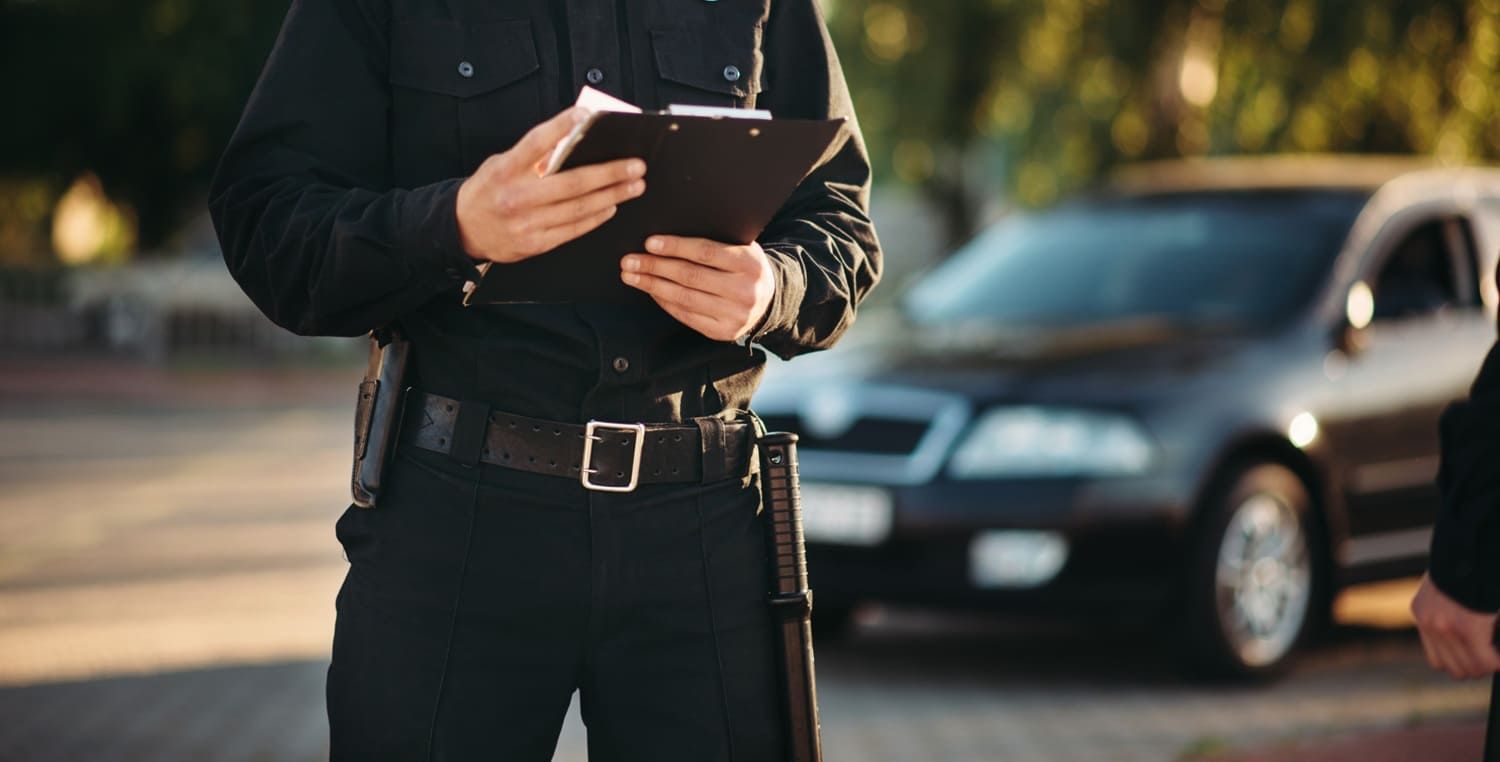
Legal compliance is a key part of choosing tint for night driving. Tennessee has rules around visible light transmission and which windows can be tinted. If you go too dark on front side windows, you may increase safety risk and create enforcement issues.
Because
laws can change and enforcement can vary, the best approach is to confirm current Tennessee limits for:
- Front side windows
- Rear side windows
- Rear windshield
- Windshield strip or film options
When choosing glare reduction car tint, consider that a slightly lighter, legal shade paired with a high quality film can feel more comfortable than a very dark shade with lower optical clarity. Wells Window Tint can recommend a setup that balances compliance, visibility, and glare relief for Columbia area drivers.
6. Windshield Tint and Strip Options for Glare
Many drivers ask about windshield tint because most glare feels like it comes from straight ahead. Windshield tint is a specialized topic because legality and safety are stricter for windshields than for side glass.
Options may include:
- Top strip: A tint strip at the top of the windshield can reduce sun glare during morning and evening drives.
- Very light windshield film: Some drivers choose a very light film designed for UV and heat control with high clarity. Whether this is legal depends on Tennessee rules and how the film is installed.
For headlight glare at night, windshield film is not the primary solution. Side window tint and clean windshield surfaces often make a bigger difference for oncoming glare. Still, a professional consultation can help you decide what is appropriate and compliant for your vehicle.
7. Why Professional Installation Matters
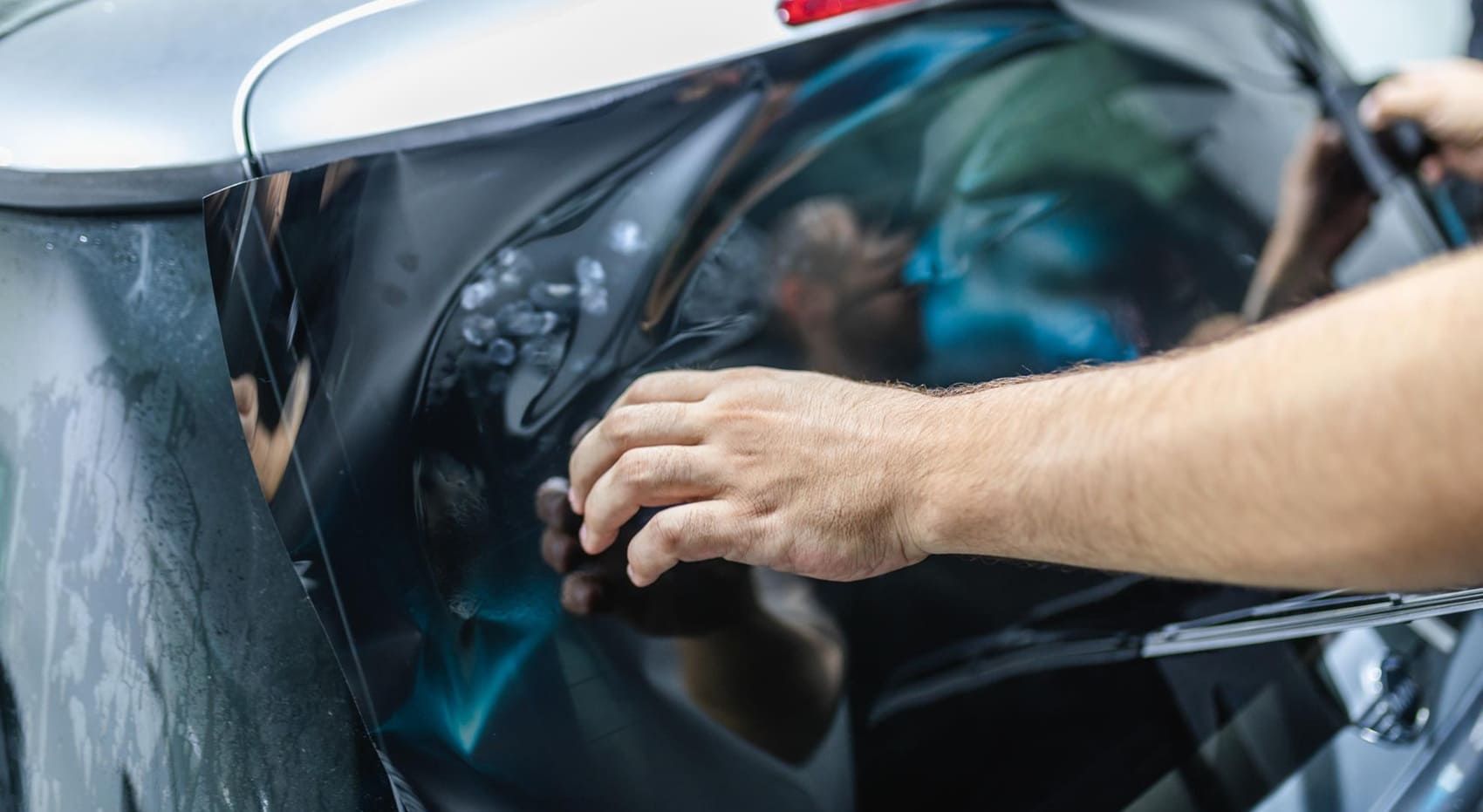
Professional installation matters for appearance, durability, and safety. A poorly installed film can create bubbles, haze, and distortion that makes night driving worse. A professional shop also helps ensure your tint package is compliant with Tennessee requirements.
Professional installation includes:
- Proper glass preparation and contamination control
- Accurate shaping and trimming for clean edges
- High clarity installation to avoid distortion
- Guidance on curing time and aftercare
Wells Window Tint installs LLumar window tint products with a focus on clarity and comfort. For Columbia TN window tint customers who drive often at night, that clarity is one of the most important parts of the job.
8. Shade and Performance Comparison Table
The table below provides general guidance. The best setup depends on legal limits, your night driving habits, and the film technology selected.
| Tint Shade (VLT) | Glare Reduction Feel | Night Visibility | Privacy | Common Use |
|---|---|---|---|---|
| 35% | Moderate | Good for most drivers | Moderate | Balanced daily driving |
| 20% | Strong | Noticeably darker | High | Privacy focused setups |
| 5% | Very strong | Can be challenging | Very high | Rear glass privacy where legal |
9. FAQ: Night Driving Window Tint
Does tint make night driving darker?
Yes, darker shades reduce visible light. The goal is to choose a shade and film that reduces glare without reducing safety. Many drivers prefer lighter shades with high clarity film.
Which tint percentage is best for glare reduction?
Darker shades reduce more glare, but they can reduce visibility. A balanced approach is often a legal, moderate shade paired with high quality film technology.
Is window tint legal in Tennessee?
Yes, but Tennessee has VLT limits for different windows. Confirm current rules before choosing a shade.
Does ceramic tint reduce glare better than standard film?
Ceramic tint is known for better clarity and comfort performance. Glare reduction is still tied to shade, but ceramic often feels better because it stays optically clear.
Can I tint the windshield for headlight glare?
Windshield tint is regulated. A top strip may help with sun glare. Side windows are usually more effective for headlight glare from oncoming traffic.
Will tint help with glare in mirrors?
Tint can reduce brightness entering the cabin and can soften glare from the side. Mirror angle and mirror type also matter.
Does tint help with astigmatism glare?
Some drivers with astigmatism report relief because tint reduces harsh brightness. Results vary. Consult your eye care professional for medical guidance.
How do I reduce glare besides tint?
Keep windshields clean, replace worn wiper blades, consider anti reflective eyewear, and restore hazy headlights. Tint can be part of a full comfort plan.
Will tint block UV rays too?
Quality films block UV, which helps protect interiors and skin. LLumar films are designed for UV protection.
How do I choose the right LLumar film for night driving?
A professional consultation is best. It considers your night driving frequency, local laws, and your comfort preferences.
10. Conclusion and CTA for Columbia, TN
Car window tint can reduce headlight glare at night by softening harsh brightness and lowering contrast spikes that cause discomfort. The safest results come from choosing a legal shade that still supports night visibility and pairing it with a high clarity film, especially ceramic options. Professional installation matters because clarity and distortion control are critical for night driving.
If you want to reduce headlight glare at night without sacrificing safety,
Wells Window Tint in
Columbia, TN can help.
Contact us for expert guidance and a
free estimate for professional LLumar window tint installation tailored to your vehicle and your night driving comfort goals.