What Window Tint Is Best for SUVs vs. Sedans (Heat and Visibility)?
SUVs and sedans do not absorb sunlight the same way. An SUV typically has a taller cabin, more side glass, and often a larger rear window area, which can increase solar heat gain and glare for both front and back-seat passengers. A sedan usually has a lower roofline and smaller glass footprint, which can make it easier to control heat, but it can also create different visibility needs because the driver sits lower and looks through a different windshield and side window geometry. In Middle Tennessee summers, these differences matter because cabin layout, glass size, and sun angles directly affect how hot your vehicle feels, how quickly it cools, and how comfortable night driving is.
The right
window tint is not simply about going darker. The best choice balances
heat rejection, glare control, and optical clarity while staying compliant with
Tennessee law. In this guide, Wells Window Tint explains how to choose the best
window tint for SUVs vs sedans based on heat and visibility, with
Columbia, TN driving conditions in mind, from bright highways to rural roads and rainy nights.
Table of Contents
1) How window tint works and what VLT means
2) Why SUVs and sedans build heat differently
3) How glass surface area changes tint performance
4) Recommended tint shades for SUVs vs sedans
5) Tennessee window tint laws for cars and SUVs
6) Why ceramic tint is the best heat solution
7) Why professional installation protects clarity
SUV vs sedan window tint comparison table
1) How window tint works and what VLT means
Window tint is a performance layer applied to the inside of automotive glass. It is designed to manage how light and solar energy pass through the window. To choose the best film, you need to understand a few key terms that show up in product specs and search results.
Visible Light Transmission (VLT) is the percentage of visible light that passes through the glass and the film together. A lower VLT means the window looks darker. A higher VLT means the window looks lighter and typically feels easier to see through at night. When people ask for “20 percent” or “35 percent,” they are usually talking about VLT.
Heat rejection is not the same as darkness. Modern films can reject heat by blocking infrared energy. Some films also reduce solar heat gain by reflecting or absorbing solar energy, depending on film technology. This is why two films with the same VLT can perform very differently in Tennessee summer conditions.
UV protection is a major benefit for comfort and long-term interior protection. Quality films can block a high percentage of UV rays, which helps reduce fading and helps protect skin during daily driving around Columbia and Middle Tennessee.
Optical clarity matters for safety. A high-quality film should look clean and consistent with minimal haze, especially when looking through curved glass or at night in rain. This is where premium film and professional installation are critical for a reliable window tint visibility comparison.
2) Why SUVs and sedans build heat differently
When you park in direct sun near Columbia, TN, both SUVs and sedans will heat up quickly, but they often feel different inside. That difference comes down to cabin volume, window height, and how sunlight reaches passengers.
SUVs often feel hotter for longer because they usually have more glass area and a taller cabin. More glass lets more solar energy in. A taller cabin can also trap heat higher up, then circulate it downward as the interior warms. If your SUV has a third row or large cargo area, you may notice that it takes longer for the air conditioning to pull the temperature down after a hot afternoon.
Sedans can heat fast but cool faster because the cabin is smaller and the glass area is typically lower. A smaller interior can cool quicker once the A/C is running. However, because the driver sits lower, direct side glare and headlight glare may be more noticeable through the front side windows, especially on two-lane roads and during winter sunset angles common in Middle Tennessee.
Passenger comfort is different . In SUVs, rear passengers often sit closer to large side windows, especially in the second and third rows. In sedans, rear passengers still get sun exposure, but the window height and seating position change the sun angles. If you frequently carry kids or passengers, rear window tint choices can have a big impact on perceived comfort.
Driving visibility priorities shift . Many SUV owners want strong heat reducing window tint Tennessee drivers can rely on, but they also need clear visibility due to larger blind spots. Sedan owners often want glare reduction and night clarity to support a lower driving position. The best solution is usually a film technology choice first, then a VLT choice second.
3) How glass surface area changes tint performance
Glass surface area is a simple concept with big implications. The more glass your vehicle has, the more solar energy can enter the cabin. That makes film selection more important for SUVs, crossovers, and vans.
More glass means more heat load . Even if two vehicles are parked side by side, an SUV with larger side windows and a big rear hatch window can allow more sunlight into the cabin. That increases the cooling demand on your A/C, especially during humid Tennessee days.
Large rear windows amplify glare . SUVs often have tall rear windows. If you drive at sunset on I-65 or local highways near Columbia, glare can come from behind and from the sides. A high-quality film can
reduce glare while keeping your view crisp in mirrors and through the rear glass.
Curved glass is less forgiving . Windshields and some rear windows have complex curvature. Lower-quality films or rushed installation can introduce haze, distortion, or contamination. This is one reason professional installation is a performance feature, not just a cosmetic choice.
Heat control comes from film tech . A ceramic film can deliver strong infrared rejection without forcing you into an extremely dark VLT. This is especially helpful for SUVs where you want heat reduction but still prioritize night visibility for lane changes, backing up, and rainy weather driving.
4) Recommended tint shades for SUVs vs sedans
If you are searching “best window tint for SUVs vs sedans,” the most useful answer is a recommendation that separates film technology from darkness. For Columbia, TN drivers, a common strategy is to select a premium ceramic film for heat and clarity, then choose VLT based on visibility needs and legal compliance.
General guidance for sedans
- Front side windows: Many drivers prefer a lighter legal option to preserve night visibility and improve eye comfort in rain. A ceramic film at a moderate VLT can deliver heat reduction without making the cabin feel too dark.
- Rear side windows and back glass: If you want more privacy and glare reduction for passengers, you can often go darker, as long as it remains compliant for your vehicle type and local rules.
General guidance for SUVs
- Front side windows: Similar to sedans, prioritize legality and night visibility. SUVs often benefit from strong heat rejection in the front to reduce dashboard heat and steering wheel temperature.
- Rear passenger glass: SUVs frequently benefit from a darker or more protective configuration in the rear because passengers sit near larger windows. For families, glare reduction and comfort are a major reason to tint rear glass.
- Large rear window: Consider glare reduction and rear visibility together. The rear glass is important for mirror clarity and backing up. High quality film and installation make a noticeable difference here.
What about “darker is better”? Darker tint can reduce glare, but darkness alone does not guarantee better heat rejection. For a ceramic tint SUV vs sedan comparison, ceramic film often wins because it can reduce infrared heat significantly even at lighter VLT levels. This improves comfort while keeping visibility strong.
5) Tennessee window tint laws for cars and SUVs
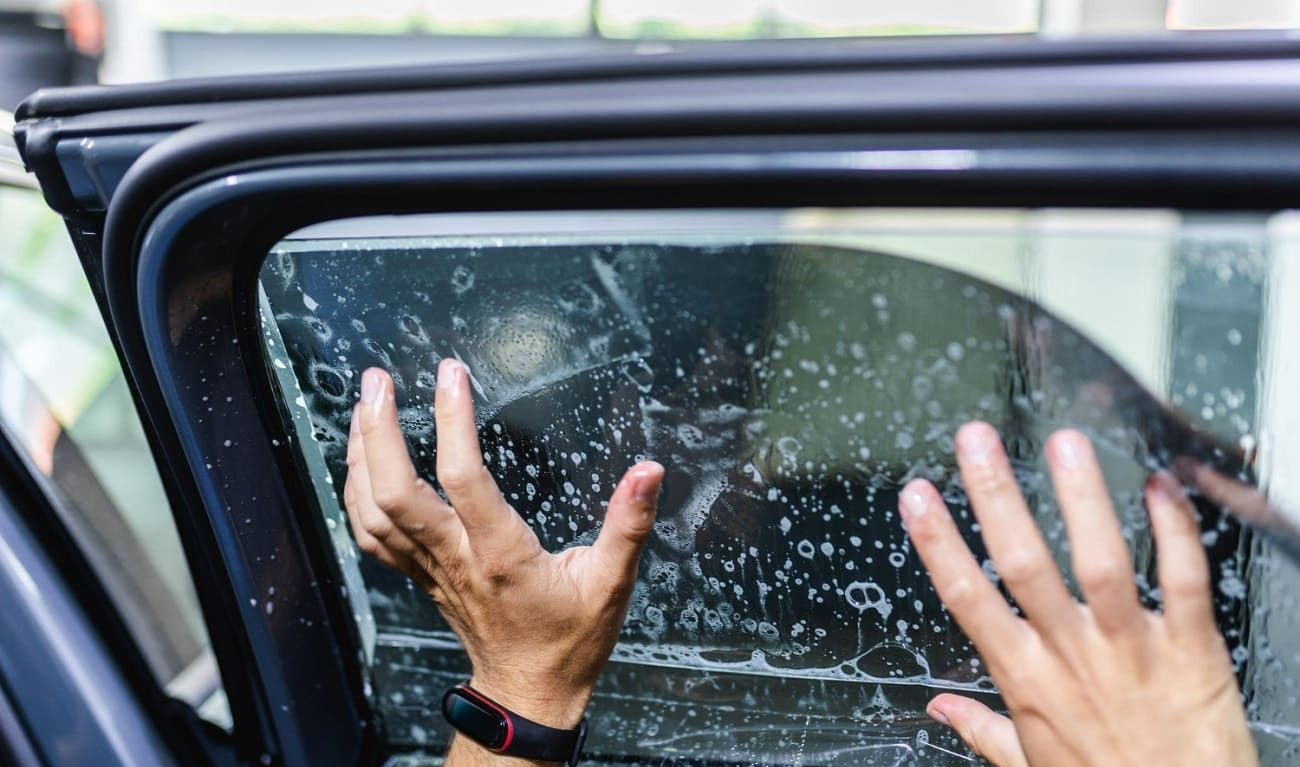
Tennessee tint laws can vary by window location and vehicle classification, and the safest approach is to confirm current requirements before installation. For most drivers, the practical goal is simple: choose a setup that is comfortable, looks great, and stays compliant so you do not have to worry about tickets or forced removal.
Key compliance concepts to understand include VLT limits for front side windows and rules for windshield tinting. Many drivers also ask whether SUVs and sedans have different allowances for rear windows. Because SUVs often have different factory glass and classifications, it is important to verify your specific vehicle type and the windows you plan to tint.
Local, shop-based guidance matters. Wells Window Tint in Columbia, TN can help you choose a compliant configuration and explain how VLT works with your factory glass. If you are looking for heat reducing window tint Tennessee drivers can trust, compliance is part of performance because it protects your investment and helps you avoid rework.
6) Why ceramic tint is the best heat solution
In Middle Tennessee, the strongest demand is often heat control. Drivers want a
cooler cabin, reduced glare, and better comfort without sacrificing safety. Ceramic film is a leading option because it focuses on infrared heat rejection while maintaining excellent optical clarity.
What ceramic tint does well
- Heat rejection: Ceramic films are engineered to reduce infrared energy, which is a major contributor to the “burning hot” sensation on seats and skin during summer driving.
- UV protection: Helps protect upholstery, dashboards, and passengers from UV exposure.
- Clarity: Premium ceramic tint is designed to look clean and consistent, supporting better night visibility than low-grade dark films.
- Comfort: Less squinting, less glare, and reduced cabin temperature swings on sunny days.
Why this matters for SUVs is simple: more glass equals more heat load. A ceramic film is often the most efficient way to reduce heat without going extremely dark. That is especially helpful for drivers who want family comfort but still want clear sightlines.
Why this matters for sedans is also simple: sedans often benefit from a balanced approach that supports night visibility. A ceramic film at a legal, moderate VLT can provide meaningful heat and glare improvements without making the cabin feel overly dim.
Wells Window Tint installs LLumar window tint Columbia TN drivers recognize for high performance, UV protection, and optical clarity. If your main goal is heat control with safe visibility, LLumar ceramic window films are engineered for exactly that use case.
7) Why professional installation protects clarity
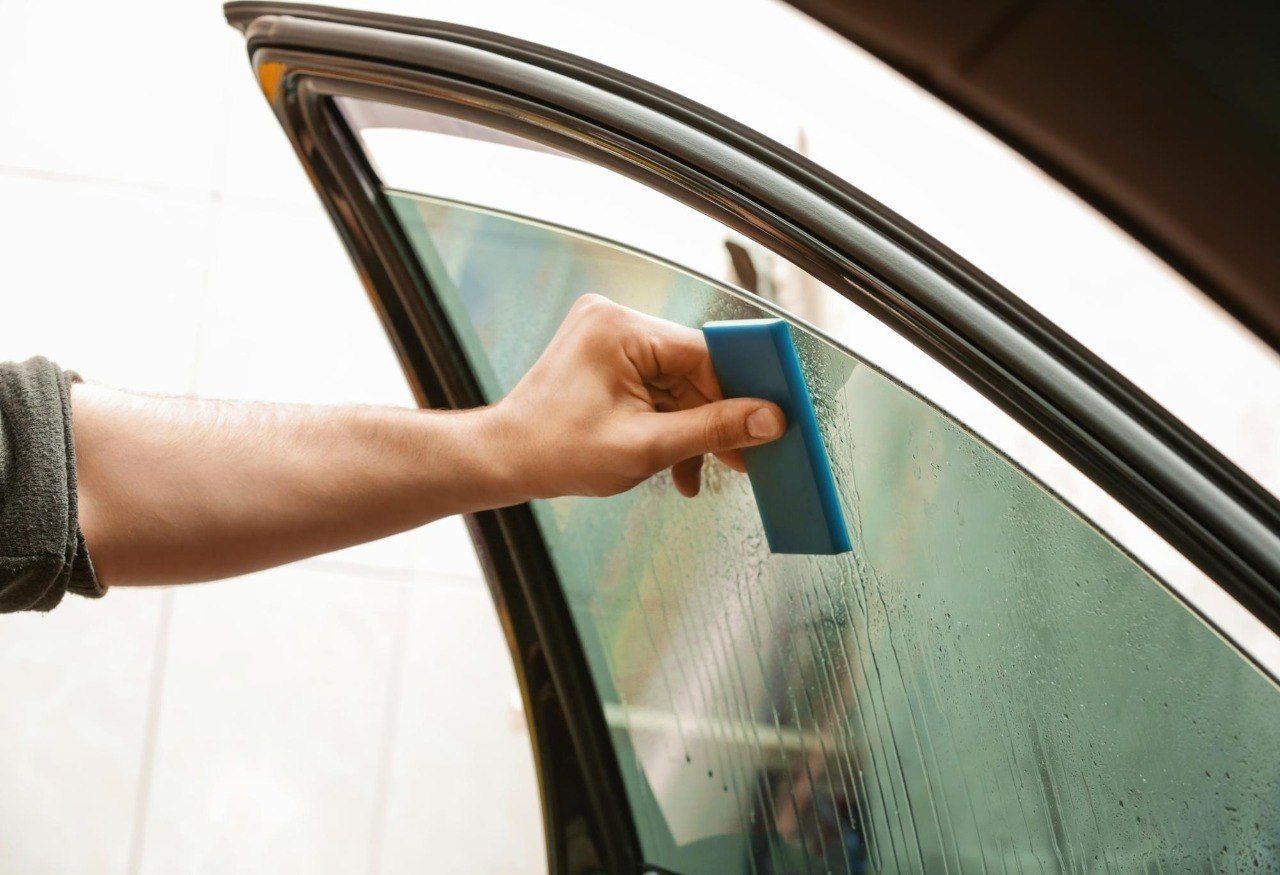
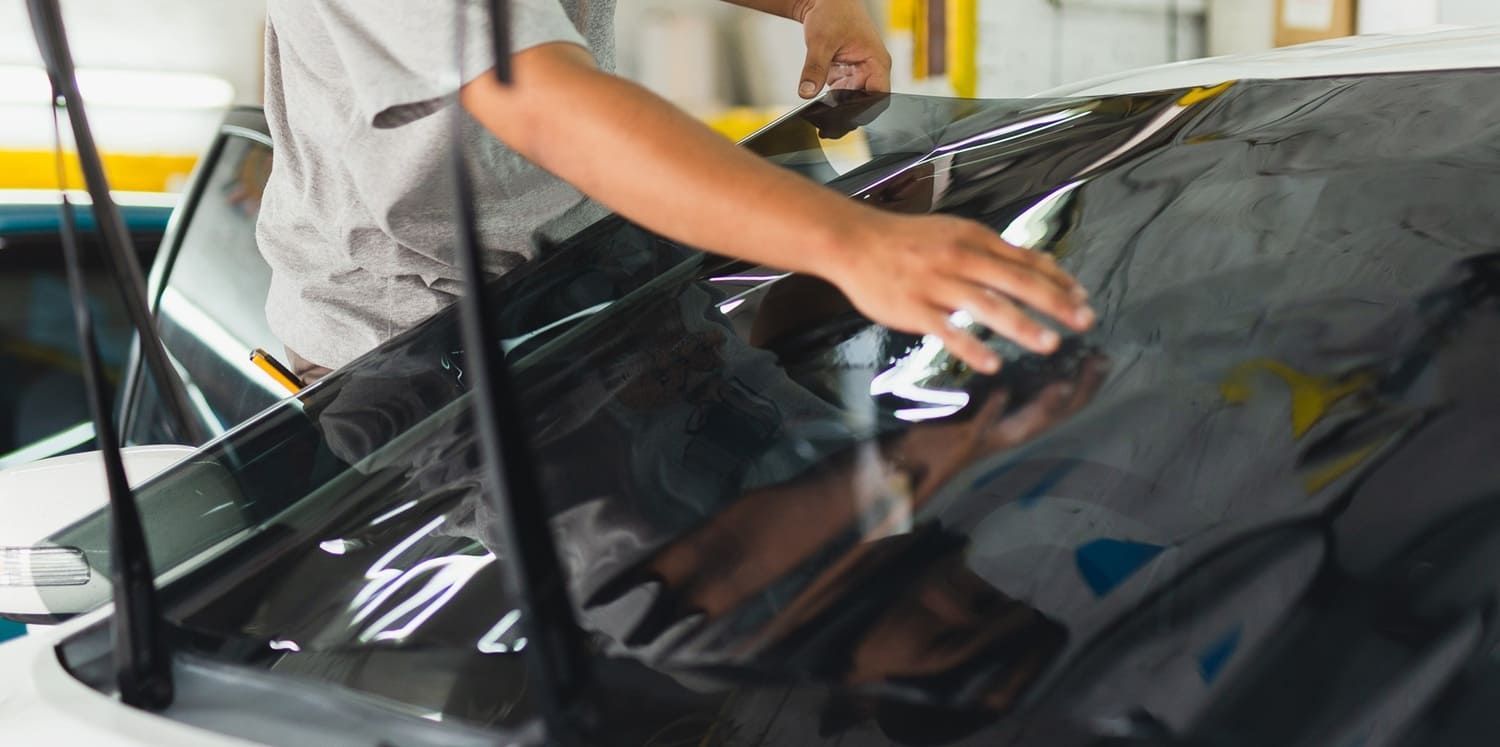
Even the best film can underperform if it is installed incorrectly. For both SUVs and sedans, the biggest risks are contamination, edge lifting, and visual distortion. These issues can affect how the tint looks and how well you see through it, especially at night.
Professional installation helps you get:
- Cleaner results: Controlled techniques reduce dust, lint, and trapped debris.
- Proper film fit: Accurate shaping for curved glass, large SUV rear windows, and tight window seals.
- Durability: Correct adhesion and curing support a longer-lasting finish.
- Better optics: Reduced haze and fewer distortions improve safety and comfort.
For drivers comparing shops, this is a key point: the best window tint for SUVs vs sedans is not only the film type and VLT. It is also the installer’s process, materials, and experience with your vehicle’s glass shape. Wells Window Tint focuses on professional installation of LLumar Window Tinting products tailored to each vehicle and driver preference.
SUV vs sedan window tint comparison table
| Factor | SUVs and Crossovers | Sedans |
|---|---|---|
| Typical glass size | More side glass, taller rear glass, often more total glass area | Lower window profile, less total glass area |
| Heat exposure | Higher solar load from more glass and higher sun angles into cabin | Moderate solar load, often cools faster due to smaller cabin |
| Recommended focus | High heat rejection film first, then choose VLT for visibility and privacy | Balance heat rejection with night visibility, especially on front windows |
| Recommended tint percentages | Often benefit from strong rear protection; front should prioritize legal VLT and clarity | Often prefer moderate VLT for front, flexible options for rear within legal limits |
| Visibility considerations | Large blind spots make clarity and mirror visibility important | Lower seating height can amplify side glare; night clarity is a priority |
| Overall comfort benefits | Major comfort gains for rear passengers and longer cooling periods | Strong comfort gains with a balanced setup, especially for daily commuting |
20% vs 35% vs 50% tint comparison (SUV vs sedan)
Use the table below as a practical starting point for a window tint visibility comparison. Final recommendations should account for Tennessee tint laws, your factory glass, and your night driving habits.
| VLT level | Typical look | Heat and glare performance | Night visibility | Best fit for SUVs | Best fit for sedans |
|---|---|---|---|---|---|
| 50% | Light tint, subtle appearance | Strong with ceramic film; moderate glare reduction | Excellent | Great for front windows when you want clarity with heat rejection | Great for front windows for drivers who prioritize night visibility |
| 35% | Medium tint, popular balance | Very good with ceramic film; noticeable glare reduction | Good | Good for front or rear depending on compliance and preference | Good all-around option for comfort and glare control |
| 20% | Darker, more privacy | Excellent glare reduction; heat depends on film technology | Moderate; depends on headlights, rain, and driver comfort | Often used on rear passenger glass for privacy and comfort | Often used on rear windows; front use depends on legal limits |
Tip for Columbia, TN drivers: If you drive frequently at night on rural roads or during rain, lean toward higher visibility options on front windows and choose ceramic film to keep heat rejection high. If your SUV carries passengers often, consider stronger protection on rear glass where sun exposure can be intense.
FAQ: SUVs vs sedans, heat, visibility, and legality
Do SUVs need darker tint than sedans?
Not always. SUVs often need better heat rejection because they have more glass. Ceramic film can deliver heat reduction without requiring a very dark VLT.
What is the best window tint for SUVs vs sedans?
For most Middle Tennessee drivers, a premium ceramic film is the best starting point. Then select VLT based on your visibility needs and Tennessee tint laws.
How does tint affect visibility at night?
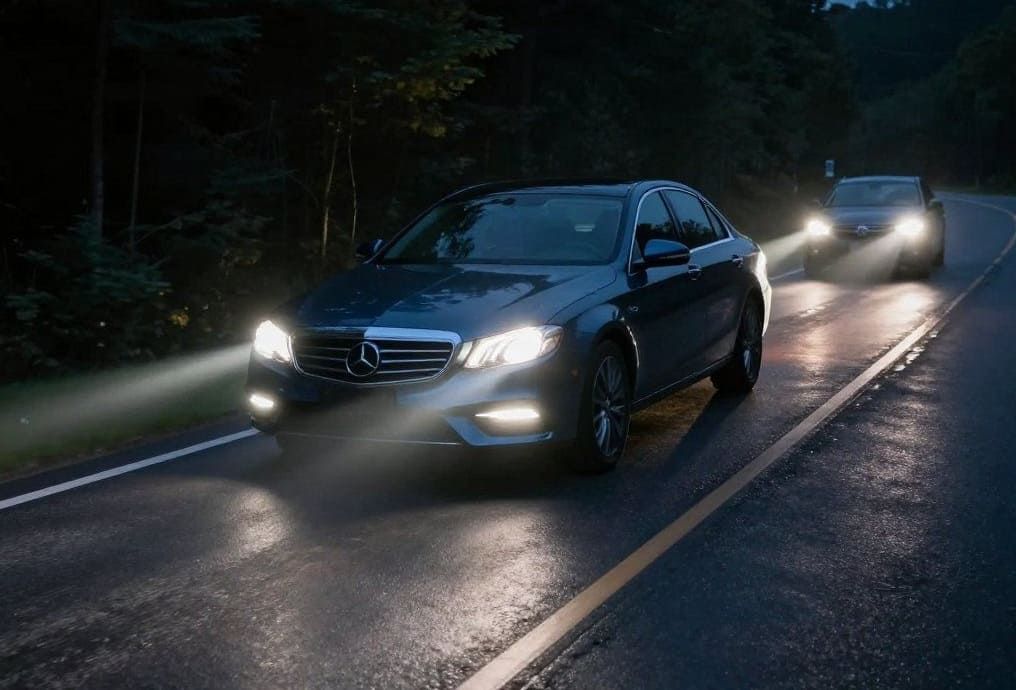
Lower VLT can reduce nighttime visibility, especially in rain or on unlit roads. High clarity films and moderate VLT choices help balance comfort with safety.
Is ceramic tint better for night driving?
Ceramic film itself is not “brighter,” but it can provide strong heat rejection at lighter VLT levels, which can preserve night visibility compared with going very dark.
What VLT is best for large SUV windows?
Many owners choose moderate VLT up front for clarity and a darker rear for passenger comfort, while staying compliant. Your best option depends on your vehicle and legal limits.
What tint is best for sedans in Tennessee heat?
A ceramic film at a legal, moderate VLT is a strong solution because it improves comfort and reduces heat load while supporting visibility.
What is heat reducing window tint Tennessee drivers should ask for?
Ask about ceramic window films with strong infrared rejection, UV protection, and high optical clarity. Brand and installer quality matter.
Does darker tint always block more heat?
No. Film technology drives heat rejection. A lighter ceramic film can outperform a darker low-grade film for heat control.
Are SUVs and sedans subject to different Tennessee tint rules?
They can be, depending on vehicle classification and window location. Always confirm current Tennessee tint laws before choosing a VLT.
Can I tint my windshield in Tennessee?
Windshield tinting is regulated. If you want glare reduction, discuss compliant options with a local shop that understands Tennessee rules.
What is LLumar window tint Columbia TN drivers choose?
LLumar is a premium window film brand known for engineered heat rejection, UV protection, and optical clarity. Wells Window Tint installs LLumar Window Tinting products.
How long does window tint last on SUVs and sedans?
Lifespan depends on film quality, installation, and care. Premium films installed professionally typically last significantly longer than budget films.
Does tint help reduce A/C usage?
Yes. By reducing heat entering the cabin, tint can lower how hard your A/C has to work, especially in SUVs with larger glass area.
What warranty coverage should I expect?
Warranty details vary by film line and installer. Ask for written warranty coverage and what it includes, such as bubbling, peeling, or discoloration.
How do I balance comfort with safety?
Start with a high performance film, then choose a VLT that supports your night driving habits. Many drivers keep front windows lighter for clarity and use stronger protection on rear windows for comfort.
Conclusion: choosing the right tint in Columbia, TN
Choosing the best window tint for SUVs vs sedans comes down to matching your vehicle’s glass layout and your driving habits with the right film technology and VLT. SUVs often benefit most from high heat rejection because of larger glass surface area and higher cabin heat load. Sedans often benefit from a balanced approach that improves comfort while preserving night visibility. In both cases, legal compliance in Tennessee and optical clarity should be treated as core requirements, not optional extras.
If you want a setup tailored to your SUV or sedan,
Wells Window Tint serves
Columbia, TN and surrounding Middle Tennessee areas with professional installation of
LLumar Window Tinting products engineered for superior heat rejection, UV protection, and clarity.
Contact
Wells Window Tint today to get a
free estimate and a recommendation based on your vehicle, your comfort goals, and your visibility preferences.