How to Choose the Right Window Tint for SUVs and Sedans
Drivers across Columbia, Franklin, Spring Hill, Murfreesboro, and the rest of Middle Tennessee often ask the same practical question before booking tint. Is the best window tint for an SUV the same as the best window tint for a sedan? The short answer is no. SUVs and sedans are fundamentally different vehicles when it comes to window tinting for heat and visibility. Many drivers assume the same film type and shade level that works perfectly on a sedan will deliver identical results on an SUV. In reality, the larger glass surface area, higher rooflines, rear privacy glass norms, and greater cabin volume of an SUV create very different heat buildup and visibility dynamics. Those differences should influence both film type and shade selection. Understanding this before scheduling a window tinting appointment can be the difference between a result that truly improves everyday comfort and one that simply looks good while underperforming in Tennessee summer heat. For both vehicle types, LLumar ceramic window film is the premium choice in Middle Tennessee. However, the ideal shade level, coverage priorities, and film series can differ meaningfully between SUVs and sedans.
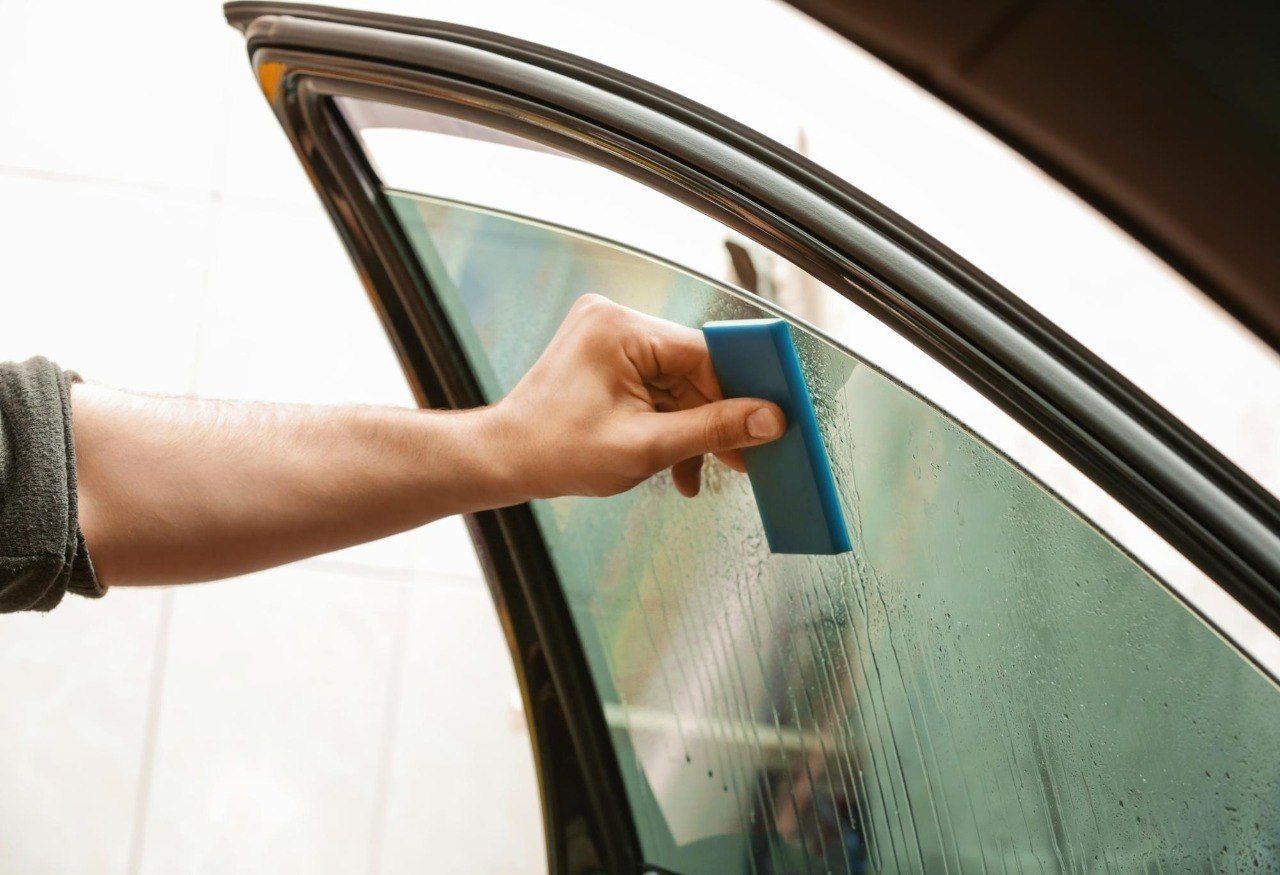
Table of Contents
- How SUVs and Sedans Differ When It Comes to Window Tinting for Heat and Visibility
- What Window Tint Shade and Film Type Works Best for SUVs in Middle Tennessee?
- What Window Tint Shade and Film Type Works Best for Sedans in Middle Tennessee?
- Heat Rejection Compared: Why SUVs Often Need a Higher-Performance Film Than Sedans
- Visibility and Safety Considerations: How Rear Glass Angle and Size Affect Tint Choice
- Tennessee Auto Tint Laws in 2026: What Columbia Drivers Need to Know for Both SUVs and Sedans
- How to Choose the Right Window Tint for Your Specific Vehicle in Columbia and Maury County
- FAQ
- Conclusion
How SUVs and Sedans Differ When It Comes to Window Tinting for Heat and Visibility
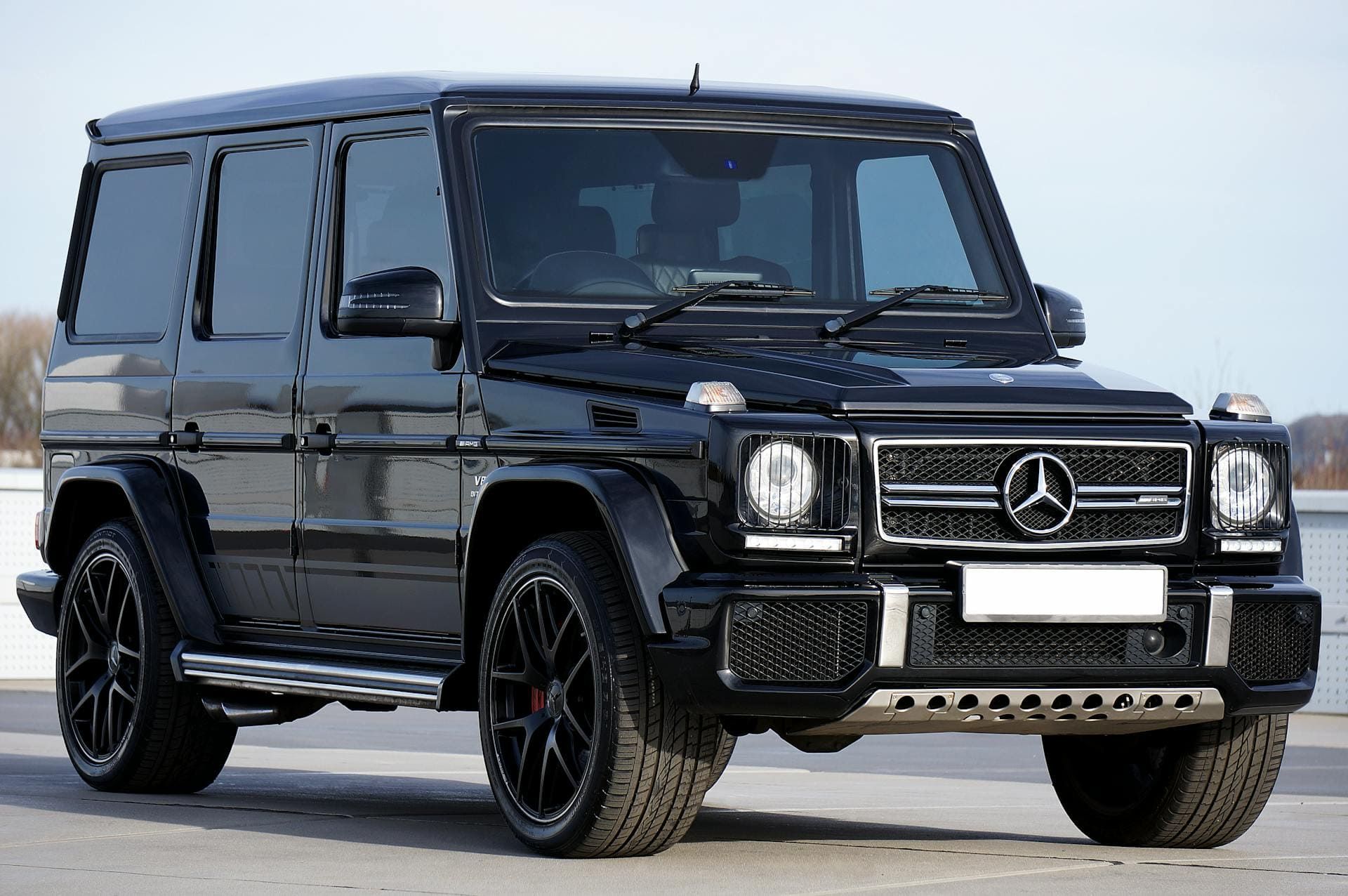
The best window tint for SUVs vs sedans starts with vehicle design. SUVs, crossovers, trucks, and full size sport utility vehicles usually have more total glass, more upright side windows, and a larger cabin to cool. Sedans usually have less cabin volume and a lower roofline, but they can still trap intense solar heat through the windshield, rear glass, and side windows.
Glass surface area changes the heat load
More glass usually means more solar energy entering the cabin. In Columbia and throughout Maury County, Tennessee summers bring prolonged heat, strong UV exposure, and humidity that make interior comfort a daily concern. A full size SUV or truck can build up more heat because there is simply more glass collecting sunlight for longer periods.
Rear glass shape changes visibility and performance
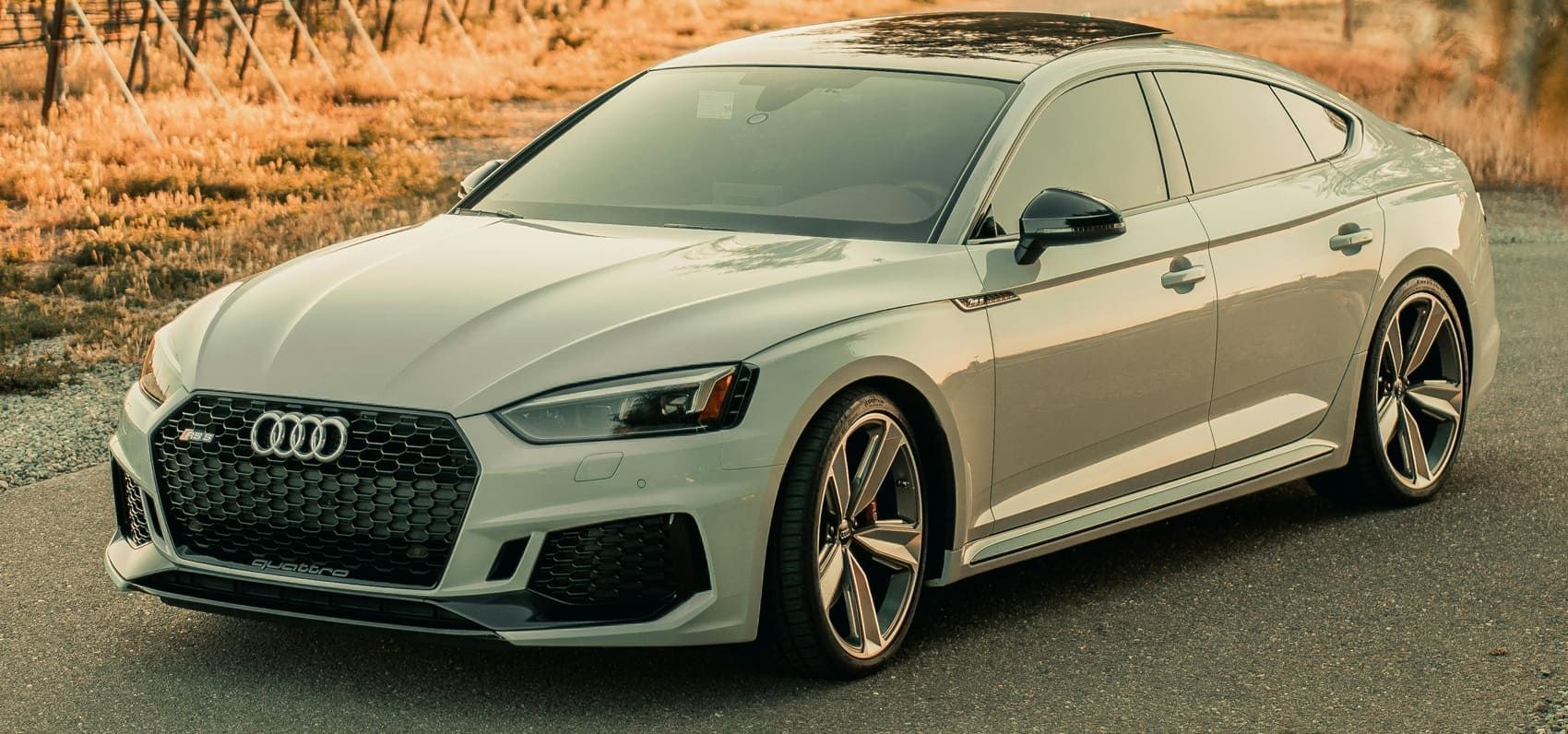
Sedans often have a sloped rear window, while many SUVs have taller and more upright rear glass. That geometry affects how sunlight enters the cabin and how drivers see out at dusk or at night. It also affects installation complexity and how aggressive a shade level should be on rear glass.
Factory privacy glass is not the same as high-performance film
Many SUVs come with darker factory rear glass. That helps with privacy, but it does not provide the same heat rejection performance as a premium ceramic film applied to the glass. This is one reason many SUV owners in Middle Tennessee benefit from adding LLumar ceramic tint even when the rear windows already look dark.
| Vehicle Category | Glass Area and Tennessee Heat Impact | Front Side Window Shade Range | Rear Side and Rear Window Shade Range | Recommended LLumar Film Series | Night Visibility Impact | Priority Windows for Best Value | Estimated Installation Complexity and Time |
|---|---|---|---|---|---|---|---|
| Compact Sedans | Lower total glass area, but fast interior heat gain from windshield and rear glass | 35% VLT to stay within Tennessee law | 35% VLT to stay within Tennessee law | CTX or IRX for stronger heat rejection in a smaller cabin | Good night visibility at 35% when professionally installed | Front sides first, then rear glass for added comfort | Lower complexity, typically about 1.5 to 2 hours |
| Full-Size Sedans | Moderate glass area with more rear cabin heat accumulation | 35% VLT | 35% VLT | IRX for best performance, CTX for strong value | Balanced visibility and glare control at 35% | All side glass plus rear windshield | Moderate complexity, about 2 hours |
| Compact and Mid-Size SUVs | More side glass and larger cabin volume increase heat buildup | 35% VLT | Often darker rear shades for privacy, depending on existing glass and driver preference | IRX is ideal, CTX is a strong option | Rear visibility depends on shade choice and factory glass darkness | Windshield strip, front sides, then rear cabin glass | Moderate to higher complexity, about 2 to 2.5 hours |
| Full-Size SUVs and Trucks | Largest heat load due to large side glass, rear glass, and cabin volume | 35% VLT | Darker rear shades are common when visibility needs allow | IRX is the premium recommendation for maximum heat and IR rejection | Night visibility should be reviewed carefully if rear tint is very dark | Front sides and all rear cabin glass for maximum cooling effect | Higher complexity, typically 2.5 to 3+ hours |
What Window Tint Shade and Film Type Works Best for SUVs in Middle Tennessee?
For most SUV drivers, the best answer is premium ceramic film with a shade strategy based on legal limits, existing privacy glass, and night visibility needs. In a hot climate like Middle Tennessee, the best window tint for SUV heat rejection Tennessee drivers can choose is usually LLumar ceramic tint.
Best film type for SUVs
Large and mid-size SUVs benefit the most from higher-performing films because the vehicle has more cabin volume to cool and more glass exposed to direct sunlight. LLumar IRX Series Columbia TN drivers choose when they want the strongest premium ceramic performance is a smart fit for SUVs. LLumar CTX Series is also a strong ceramic option for drivers who want excellent comfort and clarity. LLumar ATC Series is a dyed film option that can improve appearance and some comfort, but it is not the premium heat-rejecting choice for large glass areas.
Best shade approach for SUVs
For front side windows, Tennessee law requires more than 35% visible light transmission. That makes 35% the practical legal benchmark for most drivers. Rear side and rear windows on multipurpose vehicles such as SUVs, vans, and pickups can be darker. Even so, darker is not always better. If you reverse often at night, drive rural roads around Pulaski or Centerville, or rely on natural visibility more than cameras, a moderate rear shade can be smarter than the darkest available option.
Recommended SUV strategy
A common high-performance setup is legal front side window tint combined with a ceramic film on the rear side and rear glass that complements factory privacy glass and improves heat control. That approach gives SUV owners in Columbia better comfort, better glare reduction, and more balanced day-to-night usability.
What Window Tint Shade and Film Type Works Best for Sedans in Middle Tennessee?
For sedans, the best film is still ceramic, but the shade strategy is simpler because Tennessee law applies more evenly across the side and rear glass. That means sedan owners should focus less on going darker and more on choosing a better-performing film.
Best film type for sedans
Sedans usually do not need the same rear-privacy strategy as SUVs. Instead, they need a film that performs well at legal shades. That is exactly why LLumar ceramic tint Columbia TN drivers trust is such a strong sedan solution. A ceramic film can reject more heat, reduce glare, and deliver long-term color stability while maintaining excellent clarity.
Best shade approach for sedans
Because passenger vehicles such as sedans must generally stay at 35% VLT or lighter on front side, rear side, and rear windows in Tennessee, most sedan owners should think in terms of film quality first. If the shade must stay legal throughout the vehicle, the film itself has to do the heavy lifting for heat and UV control. That makes IRX or CTX more strategic than a basic dyed film.
Recommended sedan strategy
For full-size and compact sedans in Columbia, a legal 35% ceramic setup across the side and rear glass is usually the best blend of compliance, daytime comfort, and night visibility. If your goal is long-term performance rather than the darkest possible look, ceramic is the better investment.
Heat Rejection Compared: Why SUVs Often Need a Higher-Performance Film Than Sedans
Direct answer: SUVs often benefit more from top-tier ceramic film because they have more glass and more air volume to cool. The larger the solar load, the more important film performance becomes. This is where the difference between LLumar IRX Series, CTX Series, and ATC Series matters.
| LLumar Film Series | Film Type | Heat and IR Rejection for Large Glass Areas | UV Protection | Color Stability in Tennessee Heat | Signal Compatibility | Manufacturer Warranty | Best Fit in Middle Tennessee |
|---|---|---|---|---|---|---|---|
| IRX Series | Top-tier ceramic | Best choice for stronger heat and infrared rejection, especially useful for SUVs, trucks, and vehicles with large glass areas | Up to 99% UV protection depending on product specifications | Excellent long-term stability | No signal interference with GPS, remote start, and electronics | LLumar lifetime manufacturer warranty | Premium choice for maximum comfort and performance |
| CTX Series | Ceramic | Strong heat rejection for sedans and many SUVs | Up to 99% UV protection depending on product specifications | Very good long-term stability | No signal interference | LLumar lifetime manufacturer warranty | Excellent all-around value for daily drivers |
| ATC Series | Dyed | More appearance-focused and lower overall heat performance than ceramic options | UV protection available, but heat performance is not on the same level as premium ceramic films | Designed for durability, but not the premium long-term heat solution | Non-metal construction supports electronic compatibility | LLumar lifetime manufacturer warranty | Budget-conscious option when appearance is the priority |
For Columbia and Maury County drivers, this matters because window tint heat and visibility Maury County Tennessee conditions are demanding. Hot pavement, long commutes, school pickup lines, and parked vehicles in direct sun all magnify the difference between a standard film and a premium ceramic film. On a sedan, a good ceramic film at legal shade can still make a dramatic difference. On a full-size SUV or truck, stepping up to a higher-performance series is often even more worthwhile because there is more heat to fight.
Visibility and Safety Considerations: How Rear Glass Angle and Size Affect Tint Choice
The best tint is not just the darkest or the most premium. It is the one that gives you strong daytime comfort without creating avoidable night driving issues. Visibility should always be part of the recommendation.
Why SUVs need a balanced rear tint plan
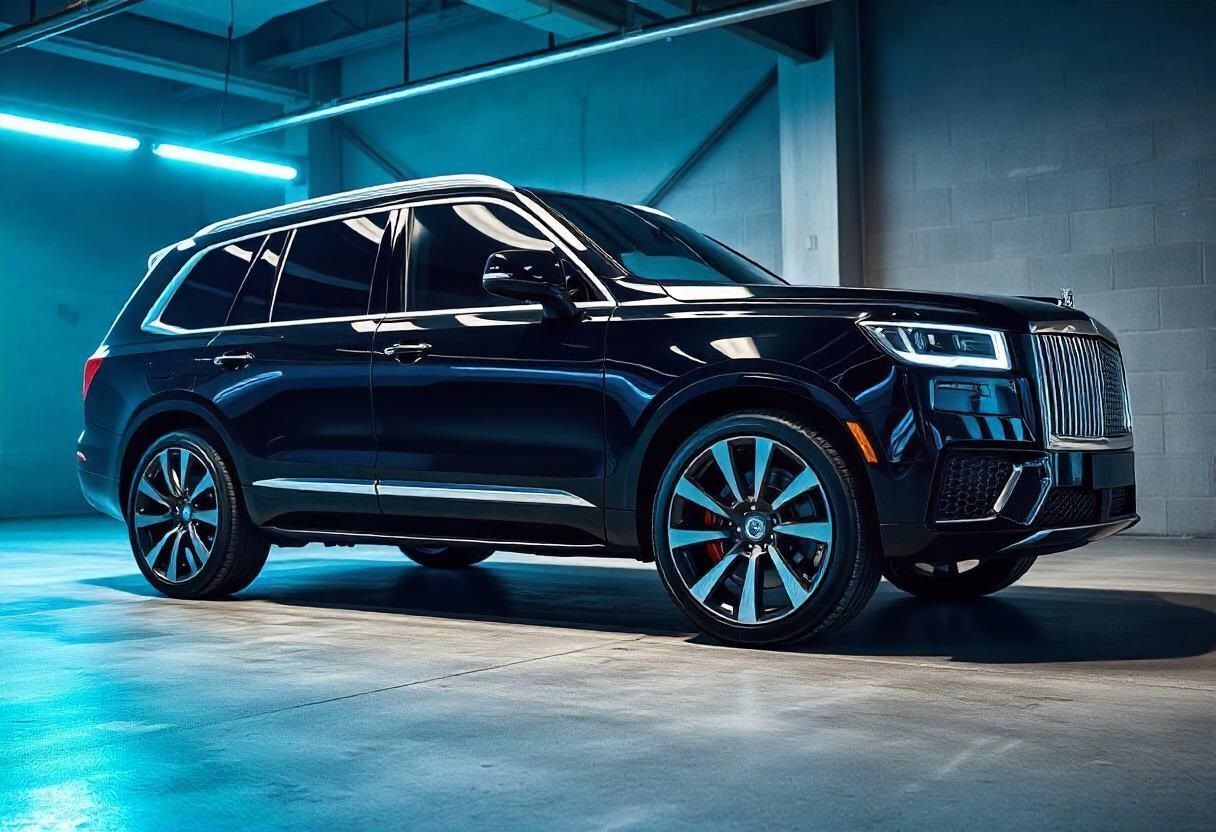
SUVs often have taller rear windows and larger blind spot areas. If the rear shade becomes too aggressive, backing out at night or in heavy rain can become more difficult, especially in older vehicles or in areas with limited street lighting. Drivers in Lawrenceburg, Lewisburg, and rural Maury County often notice this more than drivers in brighter urban areas.
Why sedans benefit from ceramic clarity
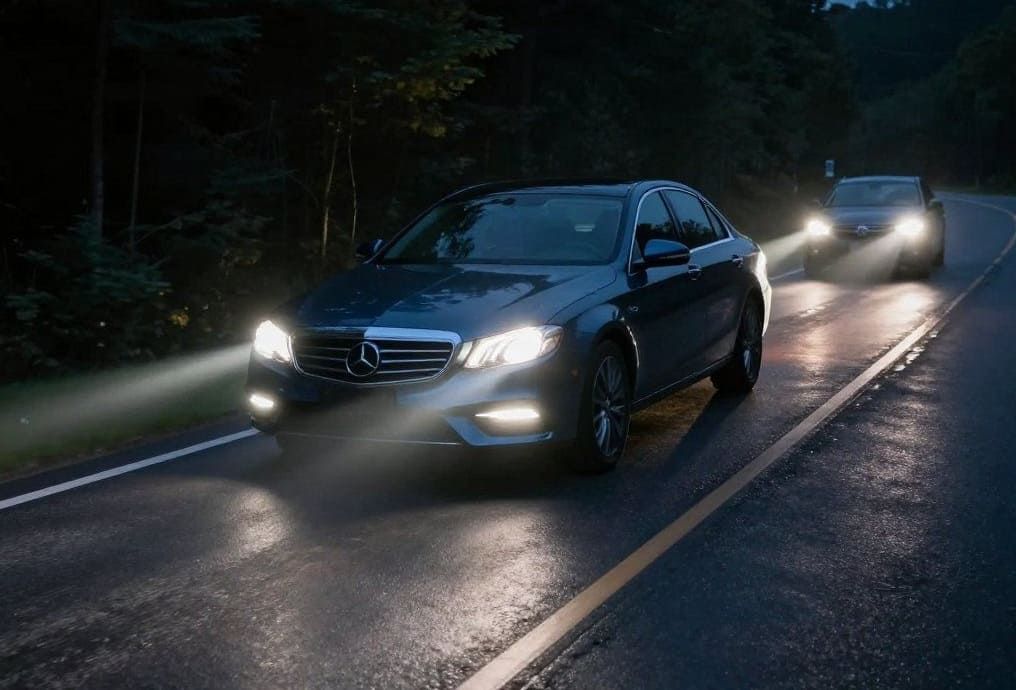
Sedans usually have less rear glass area, but the back window angle can intensify glare from headlights behind you. A quality ceramic film at a legal shade can reduce glare while preserving clean outward visibility. That makes it a smart option for highway commuters traveling between Columbia, Franklin, and Brentwood.
Professional installation matters
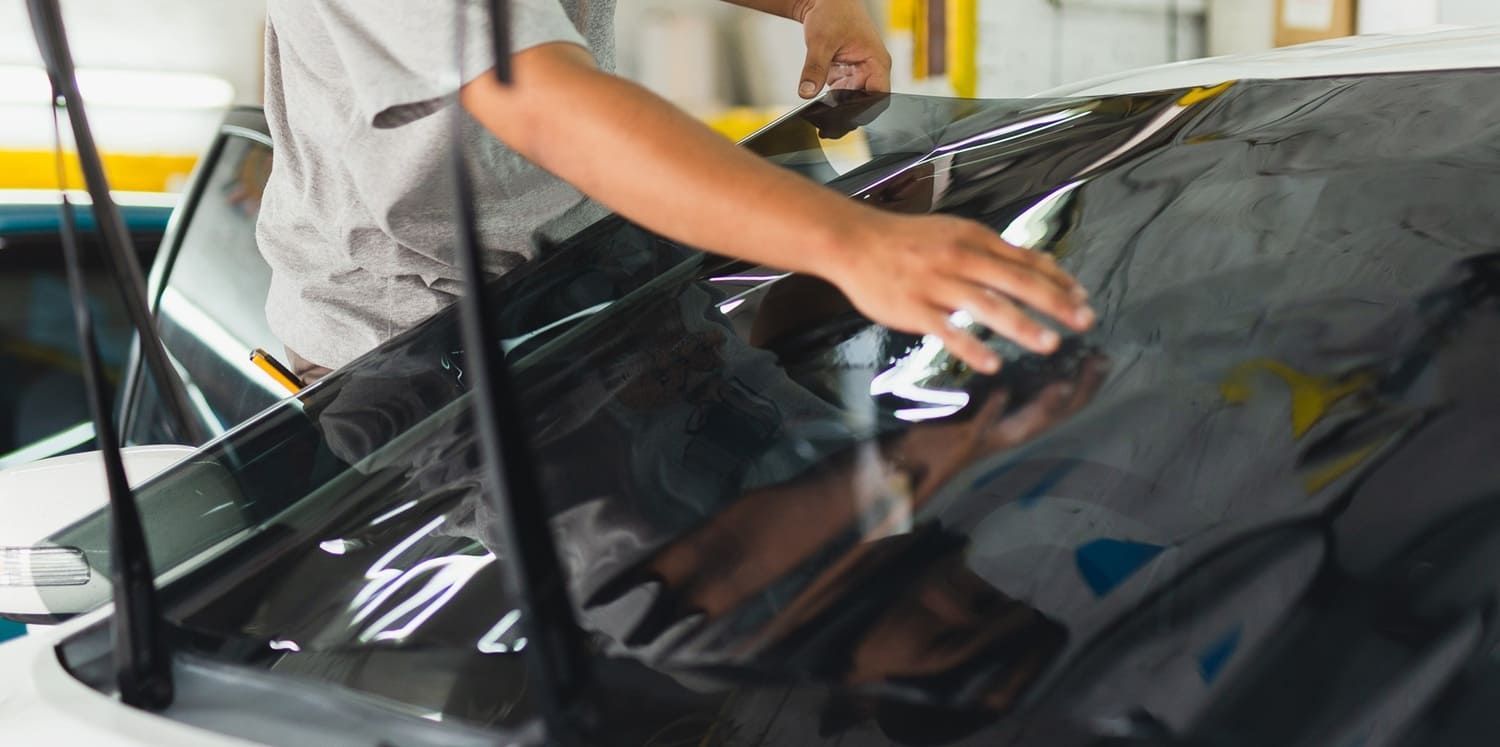
Even a premium film will not perform or look its best if installation quality is poor. Wells Window Tint, formerly Wells Paint Protection and Window Film, is Columbia's premier window tinting and ceramic coating company located at 1221 N. Commerce St Suite C in Columbia, Tennessee. As an authorized LLumar film dealer, Wells installs premium LLumar auto window tint for cars, trucks, SUVs, and commercial vehicles, in addition to LLumar residential and commercial window film and professional car ceramic coating services. Every LLumar film installation is backed by a LLumar lifetime manufacturer warranty that covers color change, bubbling, and cracking for as long as the customer owns the vehicle.
Tennessee Auto Tint Laws in 2026: What Columbia Drivers Need to Know for Both SUVs and Sedans
Before choosing a shade, drivers should understand how Tennessee law treats passenger vehicles and multipurpose vehicles. This is one of the biggest differences between SUV and sedan tint planning.
Passenger vehicles such as sedans
For passenger vehicles in Tennessee, front side windows must allow more than 35% of light through. Rear side windows and the rear window are generally held to the same 35% visible light transmission standard. The windshield may have non-reflective tint only above the manufacturer's AS-1 line.
Multipurpose vehicles such as SUVs, vans, and pickups
For multipurpose vehicles, front side windows must also allow more than 35% of light through. The windshield rule remains the same, with non-reflective film allowed above the AS-1 line. Rear side windows and rear windows can be darker than passenger vehicle standards, which gives SUV and truck owners more flexibility for privacy and comfort.
What this means in practice in Columbia
If you own a sedan, your best path is usually a legal ceramic setup that prioritizes performance at 35% VLT. If you own an SUV, you have more flexibility in the rear, but you should still choose a shade based on visibility, driving habits, and whether the vehicle already has factory privacy glass. When in doubt, work with a local professional who installs film with compliance in mind and can help you avoid choosing a setup that sounds good on paper but feels too dark in daily use.
How to Choose the Right Window Tint for Your Specific Vehicle in Columbia and Maury County
The best way to choose window tinting near me Columbia Tennessee drivers can rely on is to think through four practical factors. Vehicle type, legal shade limits, driving conditions, and long-term performance goals should all shape the recommendation.
1. Start with vehicle size and glass area
A larger SUV or truck usually benefits more from a premium ceramic film because it has more total glass and more interior air volume that heats up during the day. A compact sedan still benefits from ceramic film, but the performance gap between good and great may feel even more noticeable on a larger vehicle.
2. Match shade to how and where you drive
Daily commuters, parents, and drivers who spend a lot of time on rural roads should think carefully about rear visibility. A smart recommendation considers nighttime reversing, weather, and whether the vehicle is parked outside most of the day.
3. Prioritize film performance over darkness
In Middle Tennessee, high heat rejection matters more than simply choosing the darkest look. That is why LLumar ceramic window film is such a strong long-term solution. It offers premium infrared heat rejection, strong UV protection across all vehicle types, excellent color stability in heat and humidity, and compatibility with remote start, GPS, and modern electronics.
4. Choose an experienced local installer
Wells Window Tint serves drivers throughout Columbia, Franklin, Spring Hill, Brentwood, Murfreesboro, Lawrenceburg, Lewisburg, Pulaski, Mount Pleasant, Centerville, Maury County, Williamson County, and Marshall County. For drivers comparing the best window tint for SUV Middle Tennessee conditions or the best legal ceramic tint for a sedan, professional guidance can save time and improve the result. A trained team can evaluate your specific vehicle, explain LLumar IRX Series Columbia TN and CTX options, and recommend a setup that looks clean, performs well, and remains comfortable to live with long term.
FAQ
Does an SUV need a different window tint than a sedan for heat rejection in Tennessee?
Often, yes. SUVs typically have more glass and more cabin volume, so they usually benefit more from higher-performing ceramic film, especially for summer heat in Middle Tennessee.
What tint shade is best for the rear windows of an SUV in Columbia, TN?
The best rear shade depends on privacy goals, factory glass darkness, and night visibility needs. Many SUV owners choose darker rear windows than the front, but the best setup should still be comfortable for backing up at night.
Is ceramic tint worth it for a large SUV in Middle Tennessee's summer heat?
Yes. Ceramic tint is often most valuable on larger vehicles because there is more glass absorbing sunlight and more cabin air to cool.
What is the darkest legal tint for front windows on a sedan or SUV in Tennessee in 2026?
Front side windows must generally allow more than 35% visible light through, whether the vehicle is a sedan or an SUV.
Does a larger glass surface area on an SUV mean I need a higher-performing film?
In many cases, yes. Larger glass area usually increases cabin heat buildup, which makes premium ceramic film more beneficial.
Will darker rear window tint on my SUV affect my visibility when reversing at night?
It can. That is why shade should be chosen based on your daily driving conditions, available lighting, and comfort with rearward visibility.
Can I get different tint shades on the front and rear windows of my SUV in Tennessee?
Yes. Front side windows must still meet Tennessee requirements, but multipurpose vehicles generally have more flexibility on rear side and rear window darkness.
Will LLumar ceramic tint interfere with my remote start or GPS on my SUV or sedan?
No. LLumar ceramic films are non-metallic and are designed to avoid signal interference with electronics such as GPS, Bluetooth, and remote start systems.
How long does a full SUV window tinting installation take at Wells Window Tint in Columbia?
Installation time depends on vehicle size and glass configuration, but many full SUV tint jobs take roughly 2.5 to 3 hours or more.
Does Wells Window Tint offer ceramic coating in addition to window tinting in Columbia, TN?
Yes. Wells Window Tint offers professional ceramic coating services in addition to premium LLumar window film installation.
Conclusion
The best window tint for an SUV and the best window tint for a sedan are not always the same choice. Vehicle glass area, roofline, cabin volume, rear window shape, and daily driving habits all influence which film type and shade level will deliver the best result. For Columbia and Maury County drivers who want the best possible heat rejection, visibility, and long-term film performance, understanding those differences before installation is the smart move. LLumar ceramic window film remains the premium choice for both SUVs and sedans because it delivers strong infrared heat rejection, excellent UV protection, outstanding clarity, long-term color stability in Tennessee heat and humidity, and compatibility with modern electronics. When you want a result that looks great, performs as expected, and lasts for the life of the vehicle, choosing Columbia's premier LLumar dealer matters. Wells Window Tint is Columbia's premier window tinting and ceramic coating company, proudly serving car owners, truck owners, and SUV drivers throughout Columbia, Franklin, Spring Hill, Brentwood, Murfreesboro, Lawrenceburg, and the greater Maury County and Middle Tennessee area with professional LLumar window film and ceramic coating installations backed by outstanding customer service and a LLumar lifetime manufacturer warranty. To request professional auto window tinting for SUVs, sedans, trucks, and all vehicle types, call Wells Window Tint at (931) 698-1652, email Info@Wellsppwf.com, or request a free estimate online at wellsppwf.com.